

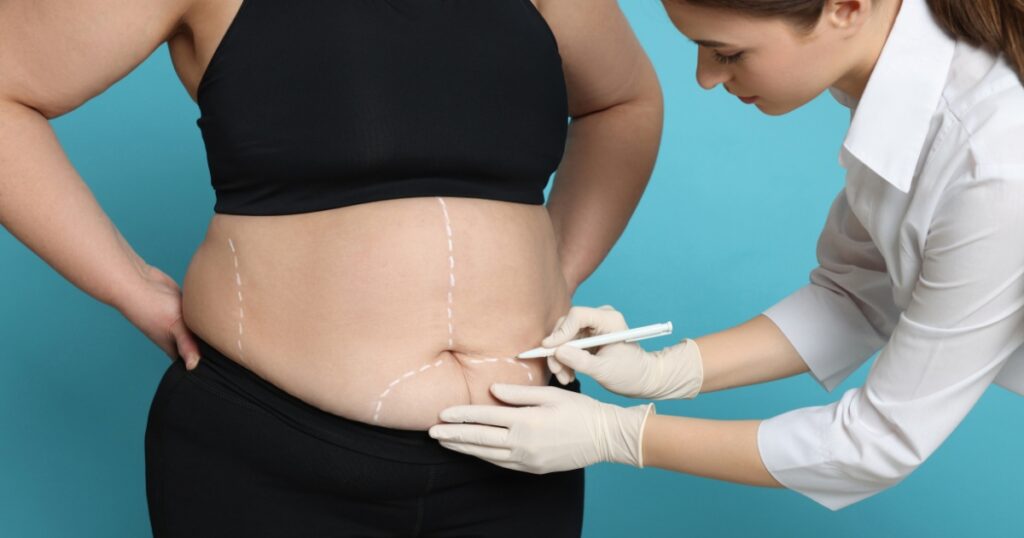
What to Do & Avoid Before Surgery
Are you considering body contouring and want to ensure you meet all liposuction requirements? Proper preparation can make a significant difference in your surgical experience and results.
Whether you are just beginning your research or are already scheduled for your procedure, this in-depth guide will help you confidently navigate the weeks leading up to surgery.
Understanding the Requirements: Who Should Get Liposuction?
Liposuction is among the most popular cosmetic procedures for individuals looking to refine their body contours. However, it is important to understand that liposuction is not a substitute for weight loss. Instead, it targets stubborn fat deposits that persist despite a healthy lifestyle. Candidates who meet the requirements for liposuction typically:
- Are at or near their ideal body weight (generally within 20-30 pounds)
- Maintain a stable weight for several months prior to surgery
- Have realistic expectations regarding results
- Are in good general health without conditions that could impede healing
- Possess good skin elasticity for optimal contouring
This is a solution to consider if you want to address localized fat pockets after reaching a healthy, sustainable weight. The best candidates are non-smokers committed to following pre- and post-surgical guidelines. A comprehensive evaluation with your surgeon will help determine your candidacy if you are unsure.
Steps to Take Before Liposuction
Achieve and Maintain Weight Stability
A crucial part of preparing for liposuction is achieving and maintaining a stable weight. Significant fluctuations in the months before your surgery can affect your results and healing process. If you are wondering, “Should I lose weight before liposuction?”, the answer depends on your current weight and your surgeon’s recommendations. Ideally, you should be at a weight you are comfortable maintaining long-term.
Rapid weight loss or gain before surgery can:
- Alter your skin’s elasticity
- Impact your body’s ability to heal
- Influence your final results and satisfaction
Your surgeon may recommend postponing surgery if your weight is fluctuating. By keeping your weight steady for at least three to six months, you help ensure the most predictable and satisfying outcomes.
Nourish Your Body: Dietary Guidelines Before Liposuction
A well-balanced diet is a powerful tool in your pre-surgical preparation. Nutritious foods support your immune system, promote healing, and ensure your body is in optimal condition for surgery and recovery.
Foods to Embrace for Optimal Preparation
In the weeks leading up to your liposuction, focus on:
- Lean proteins(chicken, fish, tofu, beans): Aid in tissue repair and immune function
- Fresh fruits and vegetables: Provide essential vitamins, minerals, and antioxidants
- Whole grains (brown rice, oats, quinoa): Supply long-lasting energy and fiber
- Healthy fats (avocado, olive oil, nuts): Support cell regeneration and hormone balance
These foods help optimize your body’s healing response and prepare your tissues for a smooth surgical experience. Planning your meals around these staples can also help you maintain weight stability.

Foods and Supplements to Avoid for a Safe Procedure
Certain foods and supplements may increase the risk of bleeding or interact with anesthesia. It is essential to avoid:
- High-sodium foods: Can contribute to swelling and water retention
- Processed foods and added sugars: May promote inflammation
- Alcohol: Thins the blood and can impair healing
- Herbal supplements and vitamins: Especially vitamin E, fish oil, ginkgo biloba, garlic, and others known to affect clotting
Always disclose all supplements and over-the-counter products to your surgeon. They will provide a tailored list of items to stop taking, often two weeks before surgery. For more details on how diet impacts your results, visit our resource on maintaining lipo results with the right diet.
Medication Management: What Your Surgeon Needs to Know
Open communication about your medications is vital in minimizing surgical risks. Before your liposuction, provide your surgeon with a complete list of:
- Prescription medications
- Over-the-counter drugs
- Vitamins and herbal supplements
Certain medications, such as blood thinners, anti-inflammatories, and some antidepressants, may need to be temporarily discontinued or adjusted. Never stop or alter your medication regimen without direct instructions from both your prescribing physician and your surgical team.
Your surgeon may also recommend specific lab tests or coordinate with your primary care provider to ensure your medications are safely managed. This step is critical for a complication-free experience and a healthy recovery.
Lifestyle Adjustments: Quitting Smoking and Alcohol
Lifestyle choices have a profound effect on your surgical outcome. Both smoking and alcohol use can hinder your body’s ability to heal and increase the risk of complications. Here’s how they individually impact you:
- Smoking: Nicotine constricts blood vessels, limiting oxygen flow and delaying wound healing. It also increases the risk of infection and poor scarring. Most surgeons require that you stop all nicotine products (including vaping and patches) at least four weeks before and after surgery.
- Alcohol: Even moderate alcohol consumption can thin your blood, interfere with anesthesia, and impair immune function. It is best to avoid alcohol entirely in the weeks leading up to your procedure.
If you need support in quitting, reach out to your surgical team or primary care provider for resources and guidance.
Hydration is Key: Preparing Your Body for Surgery
Proper hydration is essential for overall health, and it becomes even more important as you prepare for surgery. Well-hydrated tissues are more resilient, recover faster, and are less prone to swelling and bruising. Tips for staying hydrated include:
- Drink at least 8–10 glasses of water daily
- Limit caffeinated and sugary beverages, which can dehydrate
- Eat foods with high water content (cucumbers, berries, melons)
Your surgeon may provide specific hydration guidelines, including when to stop fluids before your surgical appointment. Following these instructions helps reduce the risk of complications and sets the stage for optimal recovery.
Medical Clearance & Lab Tests: Ensuring Your Safety
A vital step in how to prepare for liposuction is obtaining proper medical clearance. Your surgeon will typically request a full health evaluation, which may include:
- Physical examination
- Blood tests (CBC, metabolic panel)
- EKG (for certain age groups or risk factors)
- Additional tests based on your medical history
These assessments confirm you are in good health and identify any conditions that may affect your surgery or anesthesia. Your surgeon will review your test results and medical history to ensure you are cleared for the procedure. For more information about the specifics of different liposuction techniques and safety, read our tumescent lipo overview.
Planning for Recovery: Post-Op Care Essentials
Setting up a smooth recovery environment is just as important as preparing for surgery itself. Key steps to consider include:
Arrange for transportation and support: You will need someone to drive you home and, ideally, stay with you during the first 24–48 hours
Prepare your home: Set up a comfortable, clean space with easy access to essentials (water, snacks, medications, compression garments)
Stock up on supplies: Have extra pillows, loose clothing, wound care materials, and ice packs ready
Follow post-operative instructions: Review your surgeon’s guidelines for wound care, activity restrictions, and follow-up appointments
A well-organized recovery plan helps minimize stress and promotes a more comfortable healing process. For detailed aftercare tips, see our guide on what not to do after liposuction.

Your Partnership with Our Massachusetts Cosmetic Surgeons
Your relationship with your surgical team is an ongoing partnership built on trust, transparency, and open communication. Throughout your preparation for liposuction, do not hesitate to:
- Ask questions about your procedure, risks, or expected results
- Voice any concerns about medications, medical history, or recovery needs
- Request clarification on any instructions or timelines
Your surgical team is there to support you at every stage. By staying engaged and informed, you help ensure a safer experience and the best possible outcome.
Book Your Liposuction in Fall River ,MA
The path to a more contoured and confident you begins with thoughtful preparation and the right surgical partner. If you are ready to explore your options for body sculpting in Fall River, MA, our experienced team is here to guide you through every step; from understanding liposuction requirements to planning a seamless recovery. Contact us today to schedule your personal consultation, ask questions, or start your journey toward lasting results.
If you are ready to discuss your personal goals or have questions about how to prepare for liposuction, we encourage you to reach out for a consultation.